


Every November, shoppers across South Africa gear up for one of the biggest retail events of the year – Black Friday. Digital carts fill up before sunrise, checkout lines stretch across store aisles, and bank cards tap endlessly through the day.
In 2024 alone, South Africans spent more than R30 billion in one weekend – with purchases ranging from everyday essentials to luxury splurges. One shopper even spent R780,000 at Cartier[1] , a headline that captured the country’s attention.
But it raises a powerful question: What if some of that spending had been invested instead?
The R780 000 question
Let’s imagine that instead of spending R780 000 on a luxury item last year, that shopper invested the same amount in the Optimum BCI Equity Fund, which returned 24.88% over the past year.
By September 2025, that once-off splurge would have grown to approximately R974 000 – a gain of nearly R194 000 earned quietly and effortlessly over time.
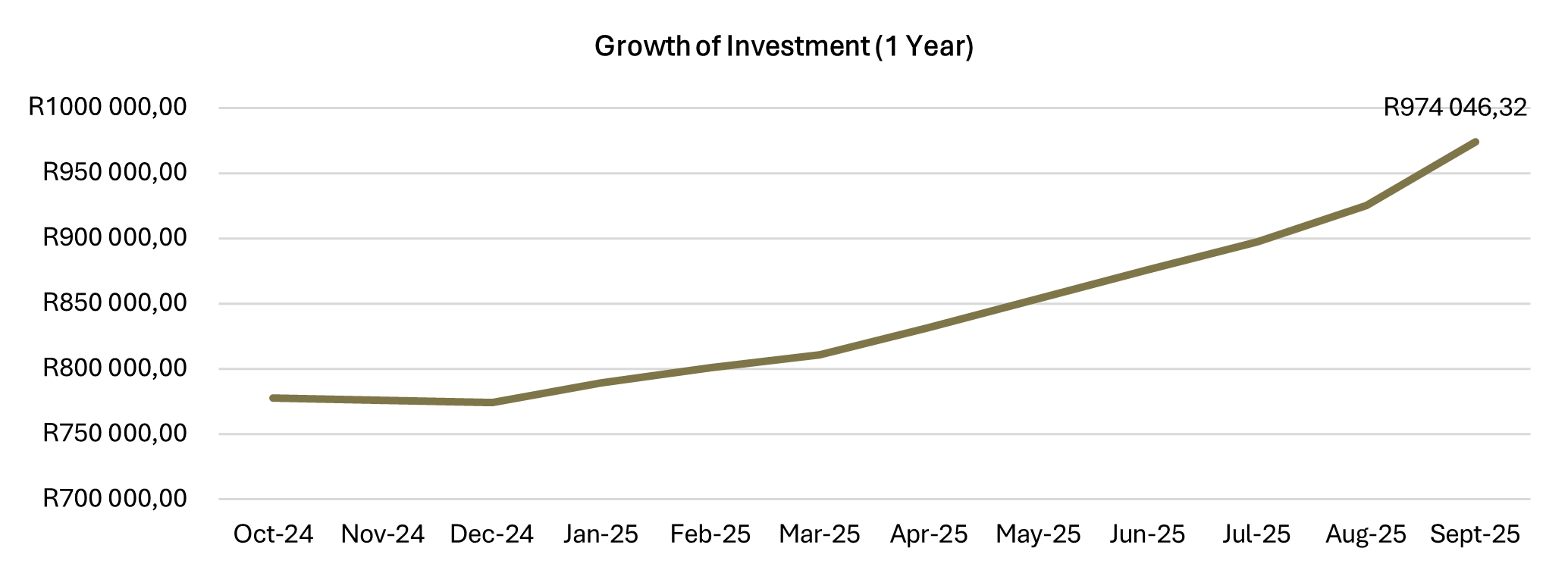
Source: Evestment; data as at 30 September 2025. Past performance is not indicative of future results. For illustrative purposes only.
The real Black Friday basket
According to PayU GPO, the average South African spent R1 946 per Black Friday basket in 2024 which is a 5% increase from the year before.[2]
If that same R1 946 were invested monthly into the OIG High Equity Return Option for ten years (with a 5% annual escalation), it would have grown to over R530,000 thanks to the power of compound interest.
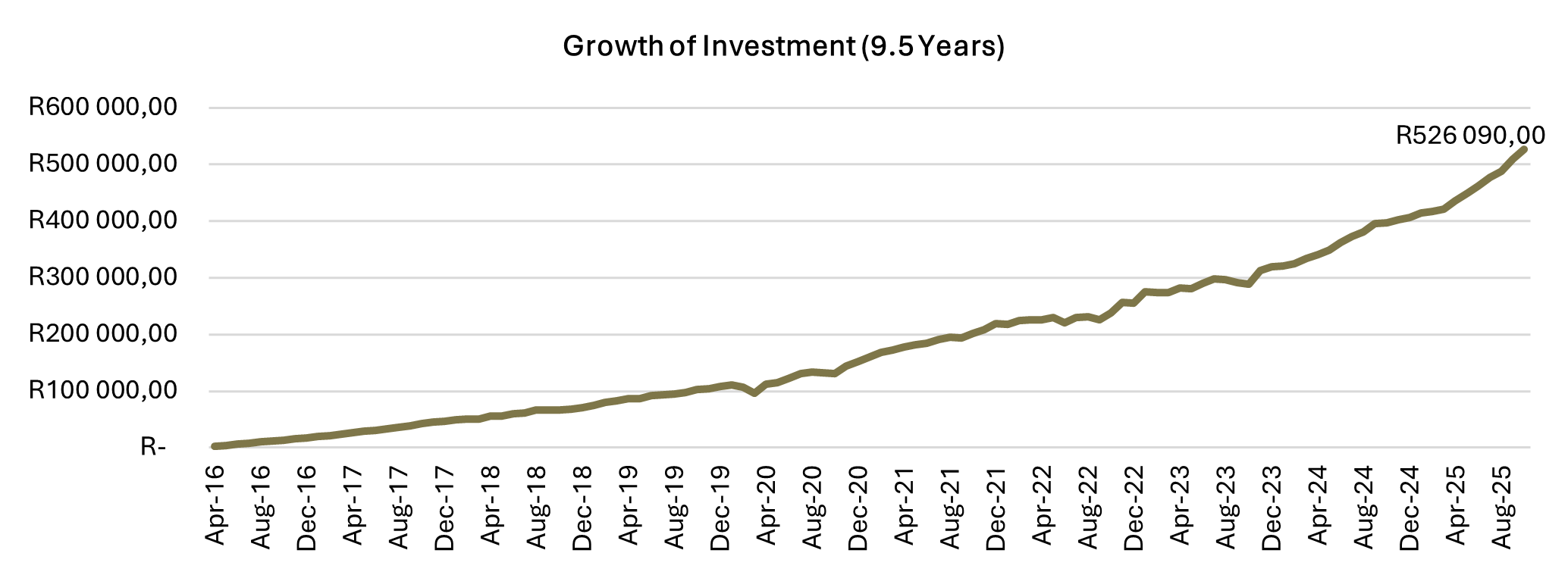
Source: Evestment; data as at 30 September 2025. Past performance is not indicative of future results. For illustrative purposes only.
That’s the real bargain: small, consistent investments with years to grow.
Why we so eagerly spend on Black Friday
Black Friday plays directly into some of our strongest behavioural biases. These biases don’t signal failure – they simply remind us that humans are wired for emotion-first decisions. Recognising the pattern is the first step toward building healthier financial habits.
Examples of these behavioural biases include:
| Bias / Trigger | How we justify our behaviour |
| FOMO (Fear of Missing Out) | “Everyone else is getting the deals; I should too.” |
| Anchoring | Seeing a ‘50% off’ tag makes the original price feel more important than the real value. |
| Scarcity bias | Limited time offers trigger instinctive, emotional decision-making. “I must buy it now to get that once in a lifetime price” |
| Instant gratification | The pleasure of a short-term reward outweighs the logic of a long-term gain. |
If you overspent this Black Friday – here’s how to turn it into a win
Instead of feeling guilty, consider this season a learning opportunity. There are practical, financially smart steps you can take right now to reset and refocus.
- Review your behaviour, not just your bank balance
Look back at what triggered your purchases: Was it a genuine need? A limited-time special? Emotional excitement? Social influence? Understanding your patterns helps you anticipate them next time and build systems to manage them.
- Create your “Not this year” list
Write down the purchases you regret. These become powerful behavioural “guard rails” for next year, reducing impulse spending and helping you redirect funds to investment goals.
- Upsell or thrift your way back
If you bought more than you needed, consider selling unused items online, packaging goods into bundles, offering them at a slight markup if still sealed or in high demand. Turn spending mistakes into value by swapping with friends or on trusted community platforms, thrifting items you wish you’d bought instead, and/or negotiate better prices or store credits. This not only saves you money, but it also strengthens your future buying discipline. These are also simple ways to recover cash while tapping into entrepreneurial thinking.
- Channel the ‘shopping energy’ into investing energy
If you set aside even a portion of what you spent – say 10-20% – and commit to investing it monthly, you replace a short-term cycle with a long-term habit.
A mindset shift that pays dividends
Ultimately, Black Friday doesn’t need to be a once-a-year spending sprint – it can be an annual checkpoint. A moment to reflect on your financial habits, recognise the emotional triggers that influence your decisions, and recommit to the long-term investing goals that build real wealth. It’s also an opportunity to tap into your entrepreneurial mindset when money feels tight and to use behavioural insights to make smarter choices throughout the year.
A small shift in thinking today can shape a far brighter financial future. So, before you hit “Add to Cart” next November, pause for just a moment and ask yourself: Would I rather own this today, or grow something bigger for tomorrow?
[1] Source: Moonstone.co.za, Black Friday 2024: South African shoppers go digital amid record spending. Published 17 December 2024.
[2] Source: Businesswire.co.za; PayU GPO Data Shows Black Friday 2024 Reached New Heights in Africa. Published 2 December 2024.

